



Key Points
- Crude remains the lead signal, Brent trades near $107 and WTI near $112 after an 11% weekly surge.
- Tuesday 8pm ET Iran peace talks set the first directional move across USOil, USDX, SP500, XAUUSD and BTCUSD.
- US Core PCE on Thursday and US CPI on Friday decide whether inflation fears harden into tighter rates pricing.
- March NFP beat expectations at 178,000 versus 65,000, but revisions and household data still signal an uneven trend.
Markets are not treating this as a one-day headline spike. Traders keep pricing the Strait of Hormuz as the transmission channel for the entire macro story. Partial vessel passage does not equal a stable reopening of commercial energy flows, so the risk premium stays embedded in crude.
The clearest consequence shows up in the oil tape. Brent trades near $107 heading into the week, while WTI settled near $112 after a holiday-shortened week that delivered a gain of a little under 11%. The directional bias stays upward on any escalation headline, with the strike pause set to expire Tuesday evening ET and no ceasefire framework in place.
When oil stays elevated, traders stop reading the conflict as a standalone geopolitical story. The market begins to price second-order effects, higher transport costs, stickier inflation prints, and less room for policy relief.
Trump has made the timing harder for markets to dismiss. His latest comments tied the next phase of the conflict directly to the Strait of Hormuz, with a Tuesday evening deadline and the threat of fresh strikes on Iranian infrastructure if passage is not restored.
At the same time, he kept the door open to a deal. That mix of pressure and conditional diplomacy helps explain why traders are reluctant to fade the oil premium too quickly. Every hint of negotiation offers temporary relief, but each harder line pulls crude, the dollar and broader risk sentiment back toward defence.
That also sharpens the sequence for the rest of the week. The focus is no longer just the war in broad terms, but whether the Strait itself becomes the trigger for the next move. If the rhetoric cools and diplomacy gains traction, crude can unwind and risk assets can stabilise.
If the deadline passes with the same aggressive tone, the market is more likely to treat elevated oil as a lasting inflation problem rather than a short-lived geopolitical spike. That keeps pressure on equities, supports USDX, and gives Core PCE and CPI even more weight than usual.
A Jobs Beat That Calms Growth Fear, but Tightens the Policy Setup
March nonfarm payrolls printed at 178,000 versus a 65,000 median expectation. January was revised up to 160,000, while February was revised down to negative 133,000. The headline looks strong, but the internal picture looks mixed. Combined revisions read uneven rather than accelerating.
Household data adds friction. The labour force fell, and total employment declined, while unemployment dipped slightly. Wage growth continued, but slowed, and the average workweek slipped, a pattern often seen before layoffs rise.
This setup shifts the macro balance. Payroll growth remains positive, and unemployment remains low, so the imminent labour-driven recession risk falls. At the same time, an energy shock raises inflation risk and complicates any near-term easing narrative.
Tuesday’s 8 pm ET Deadline is the First Gate for Risk
Tuesday’s Iran peace talks at 8pm ET act as the first event that can reset the week’s tone. Four broad paths sit in front of markets:
- De-escalation and improved Hormuz signals can drive crude sharply lower and lift equity futures.
- A status quo open allows a brief relief bid off the NFP headline, while energy stays elevated.
- Escalation into the deadline can push crude higher again and pressure risk assets, particularly rate-sensitive and consumer areas.
- A nervous, weaker open can develop even without new escalation as traders fade risk into the deadline.
This week does not begin with CPI. It begins with whether the oil premium expands or contracts.
Read more about Trump and how his statements have been affecting market movements here.
Core PCE and CPI Decide Whether the Oil Shock Spreads
Thursday brings US Core PCE Price Index m/m at 0.4% forecast versus 0.4% previous, alongside final GDP q/q at 0.7% forecast versus 0.7% previous. Friday follows with US CPI y/y at 3.4% forecast versus 2.4% previous.
Inflation data sits in a different context when crude stays bid. A firm print can harden rates pricing and keep the dollar supported. A softer print can open the door for risk assets to stabilise, but that relief tends to fade if oil remains elevated.
Cross-Asset Read Heading Into the Week
The dollar stays the cleanest read on defensive positioning when the market prices conflict risk and higher-for-longer policy bias. Gold stays pulled between safe-haven demand and a firmer dollar backdrop. Equities attempt to rebound, but oil and inflation risk keep pressure on the follow-through. Crypto behaves like risk, with the next impulse tied to whether the week opens with relief or stress.
Key Symbols to Watch
USDX | USOil | XAUUSD | SP500 | BTCUSD
Key Events of the Week
| Date | Currency | Event | Forecast | Previous | Analyst Remarks |
| 07 Apr | USD | Result of Iran Peace Talks (8pm EST) | N/A | N/A | Oil reaction sets the week’s tone for USDX and risk. |
| 08 Apr | NZD | Official Cash Rate | 2.25% | 2.25% | Watch guidance for NZD volatility, not the hold itself. |
| 09 Apr | USD | Core PCE Price Index m/m | 0.40% | 0.40% | A firm print supports USDX and keeps rates sticky. |
| 09 Apr | USD | Final GDP q/q | 0.70% | 0.70% | Confirms the growth pulse entering the oil shock. |
| 10 Apr | USD | CPI y/y | 3.40% | 2.40% | Hot CPI can harden the higher-for-longer tone quickly. |
For a full view of upcoming economic events, check out VT Markets’ Economic Calendar.
Key Movements Of The Week
USDX

- Price holds firm as traders price the Tuesday 8pm EST deadline into rates expectations.
- Thursday’s Core PCE is the first inflation checkpoint before CPI resets the week.
- A calmer oil tape after peace talks would be the clearest way to soften the bid.
USOil

- Price stays elevated with supply fears tied to Hormuz and the Tuesday deadline.
- A de-escalation headline can trigger a fast retracement, but it needs follow-through.
- If crude holds above $110 into CPI, inflation risk stays live across assets.
XAUUSD

- Gold softened as USD strength and yields reduced rate-cut hopes.
- Tuesday headlines matter because oil drives the inflation hedge impulse.
- CPI can quickly change demand if it validates broader inflation pressure.
BTCUSD

- BTCUSD remains headline-sensitive as macro risk swings liquidity appetite.
- A softer inflation tone after CPI would be a tailwind if oil also eases.
- A renewed oil spike tends to tighten conditions and pressure risk exposure.
SP500
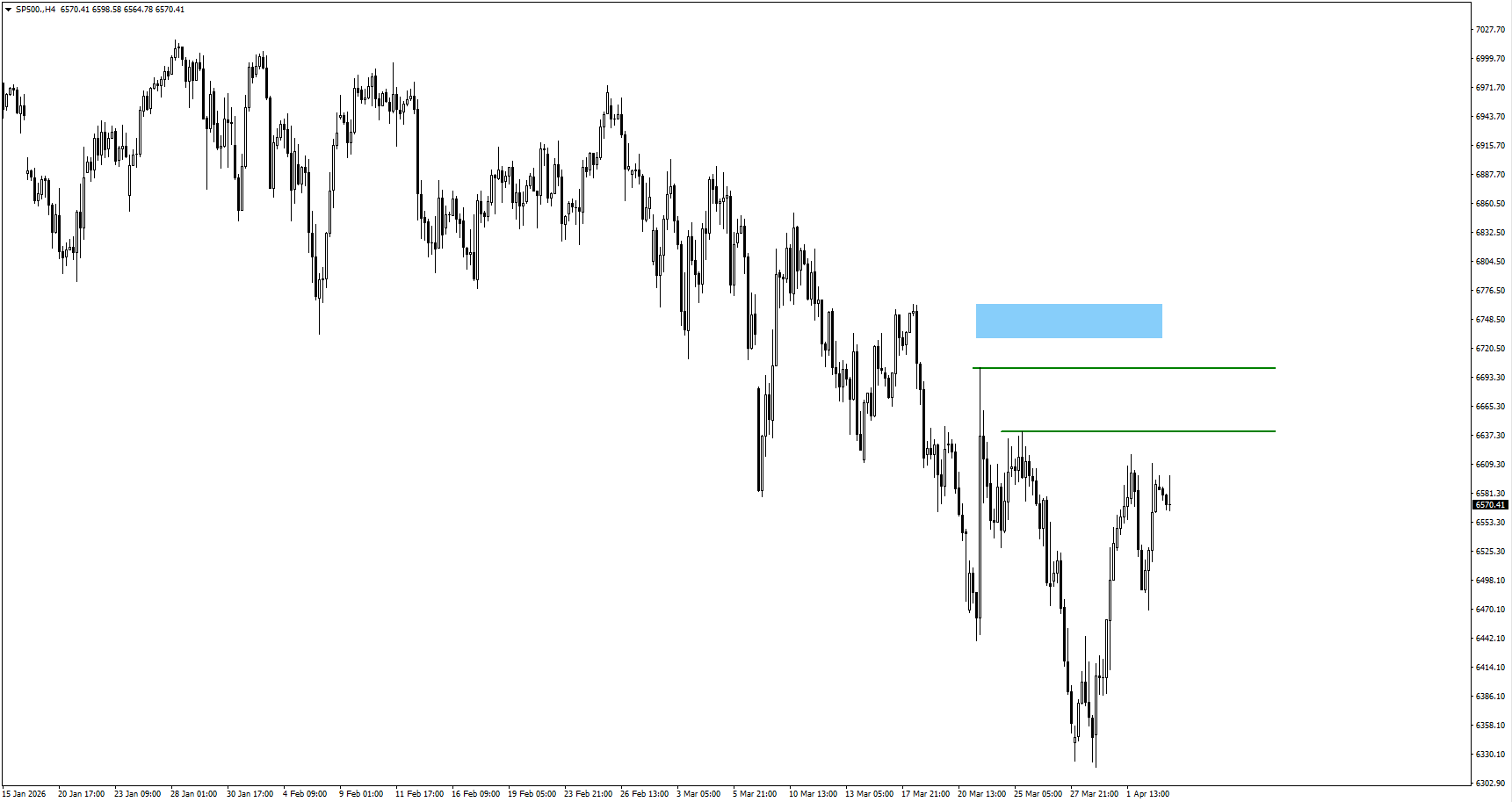
- Rebound attempts face a simple ceiling while crude stays high and CPI looms.
- A relief path starts with oil cooling after Tuesday’s peace talk outcome.
- Hot CPI can revive the higher-for-longer trade and cap equity follow-through.
Bottom Line
This week still runs through the same sequence: oil first, then inflation, then rates. Tuesday’s 8pm EST Iran peace talks are the first real trigger because they can unwind or extend the crude risk premium that is driving the broader cross-asset tone.
If oil stays elevated into Thursday’s Core PCE and Friday’s CPI, markets will find it harder to price a clean easing path, which keeps USDX supported and caps confidence in SP500 and higher-beta risk.
If headlines cool and inflation data comes in calmer than feared, the market gets room to pivot toward relief, but the burden of proof sits with crude and the inflation prints.
Create a live VT Markets account today to access our platform features, including market insights and educational content.
Trader Questions
What Is The Market Actually Pricing Around The Iran Peace Talks?
Markets are pricing the risk premium in crude first. If the talks reduce supply anxiety, USOil can retrace and SP500 can breathe. If they fail, elevated oil keeps inflation expectations firm and supports USDX.
Why Do Core PCE And CPI Matter More When Oil Is High?
Higher oil feeds headline inflation quickly and can spill into inflation expectations. Core PCE helps show whether underlying price pressure is cooling or staying sticky. If both Core PCE and CPI run firm, traders tend to push back rate-cut bets and keep the dollar bid.
How Can Traders Read The Cross-Asset Signal Without Overthinking It?
Start with USOil, then check USDX, then SP500. If oil stays high and USDX stays firm, conditions are still defensive and risk rallies struggle to follow through. If oil cools and USDX softens, SP500 and BTCUSD usually get cleaner upside air.
What Are The Key Levels Traders Usually Watch This Week?
Traders will keep an eye on whether BTCUSD can accept above 71,000, whether USDX can hold around the 100 area, and whether USOil can stay supported near 112. XAUUSD tends to react most sharply after CPI when the market reprices inflation and rates.
Start trading now – Click here to create your real VT Markets account